

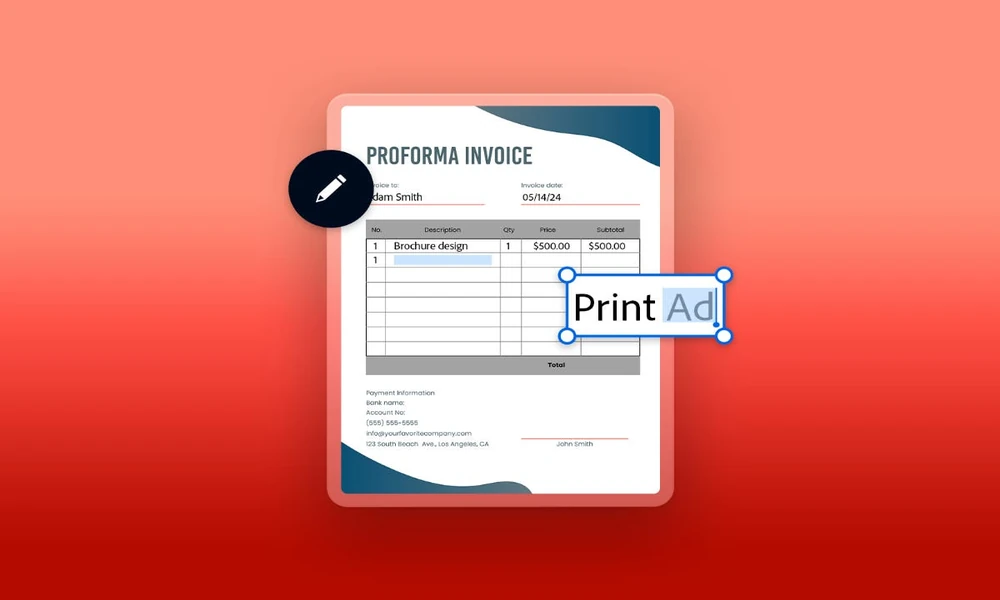
Most shipping delays begin long before cargo reaches a port. A vague product description can stall goods for days. So can an unpriced line item or an unclear delivery term. Exporters settling these points during quotation clear borders faster. A proforma invoice captures that deal in one shared draft. It lists prices, quantities, weights and terms before production ends. Early accuracy shapes payments, tariff classification and license approvals. It also shields the final commercial invoice from costly corrections. Banks, brokers and forwarders all build on these first numbers.
A Pre-Sale Invoice Shapes Every Shipment
Think of this document as a preview of the sale. Although it demands no payment, it fixes both sides’ expectations. Buyers rely on it for purchase orders and fund arrangements. Sellers check production capacity and packing plans against it. Once both parties approve, later paperwork follows its lead. Altering figures after that point raises red flags.
Which Details Must the Document Carry?
Customs brokers and bank officers read this draft line by line. Missing fields force reissues and restart approval clocks. A complete first version follows a simple checklist:
- Seller and buyer names match their registration records.
- Every product carries a precise description, not a category.
- Quantities, unit prices and totals reconcile without rounding gaps.
- Gross and net weights help forwarders reserve cargo space.
- Packaging type and carton count support warehouse planning.
- Validity dates show how long quoted rates stay firm.
Banks and Buyers Rely on Early Figures
Under a letter of credit, banks check each document strictly. The first draft often shapes the credit’s wording. Importers in regulated markets attach the proforma to license applications. Foreign exchange approvals may also depend on its figures. Even a spelling error there can delay approval by weeks. Clean data now keeps funds moving on schedule.
What Happens When Numbers Fail to Match?
Mismatched figures between drafts create real friction. Customs officers may question any value that changes suddenly. Lenders apply equal suspicion under documentary credit rules. Each idle day trims an already thin margin. Typical fallout looks like this:
- Cargo waits in bonded storage.
- Banks reject nonconforming documents.
- Demurrage charges keep accumulating.
- Buyers withhold final payment.
- Penalties may follow undervaluation.
HS Codes and Incoterms Need Early Agreement
Classification codes decide the duty a buyer pays. Sellers can propose a six-digit HS code on the draft. The importer’s broker then confirms the national extension. Delivery terms deserve the same attention. FOB shifts main carriage risk to the purchaser. DDP, by contrast, loads duties and freight onto the seller. Settling this upfront prevents surprise costs at destination.
Can a Quote Cut Port Waiting Time?
Seen this way, the early quote is a customs rehearsal. Fixed HS codes and gross weights let brokers pre-file entries. That filing can happen while cargo is still at sea. Arrival then becomes a release, not a queue. Exporters treating the quote as admin lose days there. Those treating it as clearance step one quietly gain them.
FAQs
Is the preliminary invoice legally binding?
It lacks the force of a signed sales contract. Once accepted, though, its terms carry real weight. Courts and banks may treat acceptance as evidence of agreement. A separate signed contract still offers firmer protection.
Can customs clear goods using only this document?
Some authorities accept it for samples, exhibitions or temporary imports. No commercial sale exists there, so no final bill follows. Regular trade cargo needs a commercial invoice at clearance. Brokers confirm local rules before dispatch.
When should an exporter issue the draft?
Right after price negotiations settle works best. Production has not started, so corrections cost almost nothing. Waiting until goods are packed removes that flexibility. Revisions at that stage may also delay bank approvals.
Does a revised version replace the earlier one?
Yes, if the update carries a fresh number and date. Buyers and banks then reference only that latest copy. Keeping older versions on file helps resolve later disputes. Clear labelling stops anyone acting on outdated figures.